Why People Ship Cars Across States
Every year, thousands of people need to move their vehicles from one state to another. Driving long distances isn’t always practical, safe, or cost-effective — which is why car shipping across states has become a popular solution.
People choose auto transport services for many reasons:
- Families relocating for work or lifestyle changes
- College students moving to or from school
- Military members receiving new assignments
- Snowbirds traveling seasonally between warm and cold states
- Buyers and sellers moving cars purchased online or at auctions
Whatever the reason, shipping your vehicle with a professional company like Xpress Auto Transportation ensures your car arrives safely, on time, and without adding unnecessary miles to the odometer.
How Interstate Auto Transport Works
At first, shipping a car across state lines might sound complicated — but the process is straightforward when handled by professionals. Here’s how it usually works:
- Request a Quote – Enter your vehicle details, pickup, and drop-off locations to get an estimate.
- Book Your Shipment – Confirm your preferred dates, transport type (open or enclosed), and service level.
- Pickup & Inspection – A licensed driver arrives, inspects your vehicle, and documents its condition before loading.
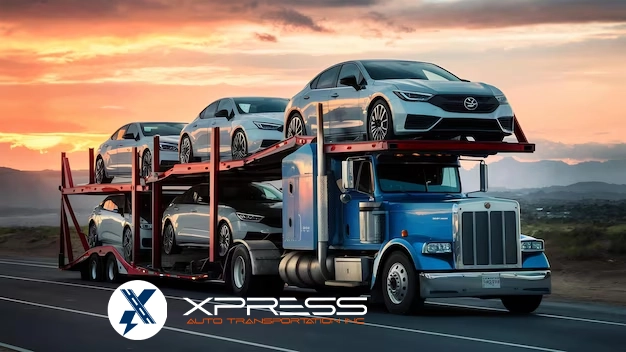
- Transport Across States – Your car is shipped on a carrier, with updates provided along the way.
- Delivery & Final Check – On arrival, the driver inspects your car again, compares it with the pickup report, and completes delivery paperwork.
With a trusted company like Xpress Auto Transportation, the process is stress-free, giving you confidence that your vehicle is in good hands.
Factors That Affect Car Shipping Costs Across States
When planning to ship a vehicle across state lines, one of the first questions people ask is: “How much will it cost?” The truth is, prices vary based on several important factors:
- Distance & Route – Longer trips generally cost more overall, but the cost per mile often decreases with distance. Popular routes between major cities are cheaper than rural or uncommon routes.
- Vehicle Size & Weight – Larger vehicles like SUVs and trucks take up more space and add weight to the carrier, which increases cost compared to compact cars.
- Transport Type – Open carriers are more affordable, while enclosed carriers (for luxury or classic cars) cost 30–50% more.
- Seasonal Demand – Summer moves and winter “snowbird” routes (north-to-south travel) are usually more expensive due to higher demand.
- Pickup & Delivery Location – Urban areas are cheaper since carriers travel there frequently, while remote areas may require extra charges.
Understanding these factors helps you budget properly and avoid surprises when booking auto transport across states.