When it comes to car shipping, one of the most important decisions you’ll make is whether to choose open auto transport or enclosed auto transport. Both methods are safe, widely used, and offered by most professional auto transport companies. However, the right choice depends on your budget, the type of vehicle you own, and the level of protection you need.
For example, someone shipping a standard sedan across states may prefer open transport for its affordability. On the other hand, a collector moving a classic or luxury vehicle might want the extra protection of an enclosed trailer.
In this guide, we’ll break down what each option means, how they compare in terms of safety, cost, and convenience, and help you decide which method is best for your situation.
What Is Open Auto Transport?
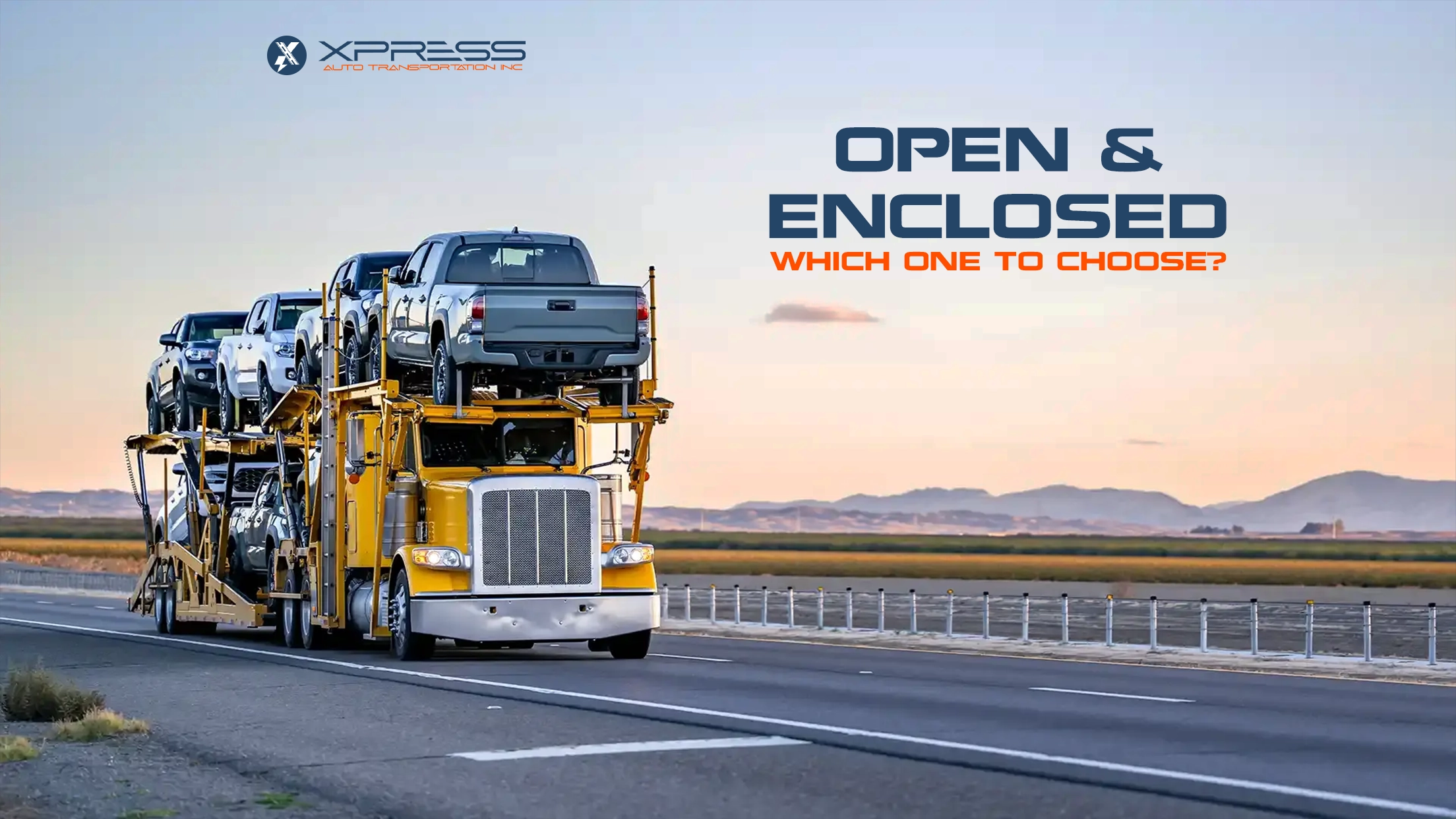
Open auto transport is the most common method of car shipping in the United States. In this option, vehicles are transported on an open trailer that typically carries 7–10 cars at once.
Because it’s widely available and efficient, open transport is usually the most affordable choice for customers. In fact, the majority of cars shipped in the U.S. every year are moved this way.
Key features of open auto transport:
- Vehicles are exposed to weather, dust, and road debris.
- Carriers can load multiple vehicles at once, lowering costs.
- Pickup and delivery times are often faster because open carriers are more common on the road.
- It’s safe and reliable, but not ideal for luxury or high-value vehicles.
Open transport is a great option if you’re shipping a standard car, SUV, or truck and want to balance affordability with convenience.
What Is Enclosed Auto Transport?
Enclosed auto transport is a premium shipping option where vehicles are transported inside a covered trailer. Unlike open carriers, enclosed trailers shield cars from outside elements like weather, dust, and road debris. Because of this added protection, enclosed transport is especially popular among owners of:
- Classic and vintage cars
- Exotic and luxury vehicles
- High-value or collectible cars
- Motorcycles and specialty vehicles
Since enclosed carriers typically hold fewer vehicles (2–6 instead of 7–10), availability is more limited and the cost is higher. Customers can expect to pay 30–50% more for enclosed transport compared to open shipping.
Key features of enclosed auto transport:
- Maximum protection from weather and debris
- Ideal for expensive or delicate vehicles
- Fewer vehicles shipped per trip
- Limited availability, which may affect scheduling
- Higher price compared to open carriers
Enclosed transport provides peace of mind for anyone who wants the safest and most secure car shipping method.